Office Relocation Services in Swiss Cottage
Moving an office is rarely just a matter of packing boxes. It affects your staff, your customers, your equipment, your working hours, and the smooth running of your business. That is why Office Relocation Services in Swiss Cottage need to be planned with care, local knowledge, and a practical approach that keeps disruption to a minimum. Whether you are moving from a small professional suite, a shared workspace, a consulting practice, or a larger commercial office, the right team can make the difference between a stressful move and an organised transition.
Swiss Cottage is a busy, well-connected part of north-west London, close to areas such as St John’s Wood, Belsize Park, Primrose Hill, Hampstead, Finchley Road, and South Hampstead. It has a mix of purpose-built office buildings, converted properties, managed workspaces, and residential streets where access can be tight. That means office moving here often involves more than loading a van. It can require careful timing, planning around parking restrictions, and a detailed understanding of building access, lifts, and loading points. A local moving team that knows the area can save time and reduce hassle.
If you are preparing for an office move in Swiss Cottage, you may already be thinking about minimising downtime, protecting IT equipment, and making sure everyone knows what happens next. A professional relocation service helps with exactly that. From pre-move planning and packing to transport, set-up, and placement at your new premises, the process can be handled in a structured way that supports business continuity. For local companies, that practical support matters just as much as the move itself.
Why office relocation in Swiss Cottage needs local expertise

Swiss Cottage has its own set of moving challenges. Some office buildings are on roads with limited stopping space, some are close to busy junctions, and others are in mixed-use buildings where access is shared with residents or retail units. When you add timing restrictions, lift bookings, security procedures, and narrow corridors, it becomes clear that a generic approach is not enough. Local office movers who understand the area are better placed to plan around these issues.
Local knowledge is valuable for more than just geography. It also helps with realistic scheduling. For example, a business near Finchley Road may need to avoid peak traffic times, while an office near Hampstead or Belsize Park may need extra care with parking and access for larger vehicles. In Swiss Cottage, where different streets and buildings have very different layouts, the mover must think ahead. That includes how furniture will leave the current site, where vehicles can wait, and how items will be delivered into the new space without blocking other users of the building.
Office relocations are also about people. Staff may be anxious about losing work time, files may need sorting, and specialist equipment must be handled properly. A structured service gives you a clear move plan, fewer surprises, and a smoother return to normal business operations. That is especially important for businesses that cannot afford long interruptions.
What our office relocation services typically include

Office relocation services can be tailored to the size and type of business, but many clients in Swiss Cottage want a solution that covers the full move process from start to finish. Depending on your requirements, the service may include planning, packing, dismantling, transport, unloading, and reassembly at the destination. Some businesses also need help with archive boxes, IT equipment, secure files, furniture disposal, or arranging the order in which departments are moved.
For local customers, a good relocation service should feel organised rather than rushed. The aim is to reduce risk and keep your business functioning during the move. That often means working in stages. You might move non-essential items first, handle sensitive equipment separately, and then transfer desks, chairs, and filing systems in a planned sequence. A move carried out this way is far easier for staff to manage.
Typical tasks included in an office move can involve a combination of the following:
- Initial planning and move coordination
- Packing materials and box supply where needed
- Labelling systems for departments, desks, and rooms
- Safe handling of computers, monitors, printers, and other devices
- Furniture dismantling and reassembly
- Transport of files, documents, and office contents
- Placement of items at the new premises
- Optional rubbish removal or furniture clearance
Some moves also benefit from a detailed floorplan so that desks, storage units, and meeting room furniture can be placed correctly the first time. This saves time after the move and helps teams settle in more quickly.
Types of offices we help move in Swiss Cottage

Swiss Cottage has a broad mix of business premises, which is why flexible relocation support is so useful. Not every office move looks the same. A solicitor’s office, a creative studio, a medical or therapy practice, and a growing startup all have different needs. A good office moving service should adapt to the building, the equipment, and the pace of the business.
We commonly support customers moving from:
- Small private offices and consulting rooms
- Shared workspaces and serviced offices
- Professional practices such as accountants, designers, and legal firms
- Corporate departments moving between managed premises
- Commercial units with mixed office and storage space
- Home-based businesses upgrading into dedicated premises
We also help businesses relocating to or from nearby areas including Hampstead, West Hampstead, St John’s Wood, Primrose Hill, Chalk Farm, Belsize Park, and Finchley Road. This wider local coverage is useful because office moves often involve one site in a busy commercial district and another in a quieter residential or mixed-use area. The more familiar the moving team is with both locations, the easier it is to plan access and loading.
Every office move should be treated as a project, not just a transport job. That mindset helps protect equipment, reduce downtime, and make sure the new workspace is ready for use as soon as possible.
How the office relocation process works
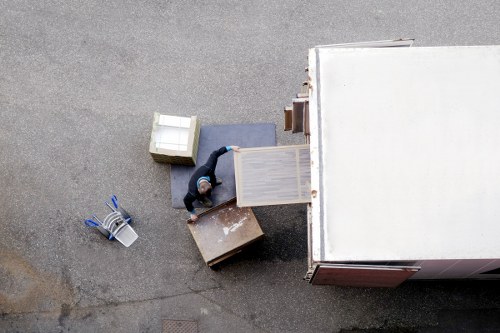
A well-managed move usually starts with a conversation about your current office, your destination, and the timetable you want to follow. From there, the relocation plan can be shaped around the number of staff, the type of furniture, any specialist equipment, and any access restrictions at either property. In Swiss Cottage, that planning stage is especially important because building rules and parking arrangements can vary from one street to the next.
The process often begins with an assessment of what needs moving. This may include desks, office chairs, filing cabinets, conference tables, IT equipment, storage boxes, shelves, artwork, reception furniture, and archive material. If there are items that should not be moved, the team can separate them early. This helps avoid confusion on move day and makes packing more efficient.
A practical office move usually follows a clear sequence:
- Review the current office layout and relocation requirements
- Plan packing, access, parking, and timing
- Label items and sort equipment by department or room
- Dismantle bulky furniture if needed
- Move contents carefully and securely
- Unload and place items in the new office
- Reassemble essential furniture and check that everything is where it should be
For businesses with limited downtime, moves can often be arranged outside standard working hours, subject to availability and building permissions. That can be particularly helpful for firms in client-facing sectors or offices that need to reopen quickly the next morning.
Preparing your business for relocation

Preparation is one of the most important parts of a successful move. Even the best relocation team works more effectively when the office is ready for packing and the business has a clear internal plan. If you are moving within Swiss Cottage or to a nearby area, a little preparation can save a lot of time on the day.
Start by deciding what should move, what should be archived, and what can be disposed of. Office moves are a good opportunity to sort old paperwork, replace worn furniture, and remove unused items. Reducing clutter before the move helps lower transport volume and keeps the new office more organised from day one.
Useful preparation steps include:
- Assign one person or small team to coordinate the move
- Notify staff of packing deadlines and room responsibilities
- Create an inventory of important equipment and files
- Back up digital data before any IT equipment is unplugged
- Label boxes clearly with department, contents, and destination room
- Keep essential items separate for the first day in the new office
It is also sensible to notify building managers or landlords about the move well in advance, especially if you need lift access, loading bay access, or shared hallway use. In properties around Swiss Cottage, these practical arrangements can make a big difference to how smoothly the move runs.
Good preparation reduces stress, protects your assets, and helps your team get back to work sooner.
Parking, access, and building challenges in Swiss Cottage
One of the most common reasons businesses choose professional office relocation services in Swiss Cottage is the practical challenge of getting items in and out of buildings safely. Streets in the area can be busy, and parking can be limited or restricted. Some offices are in older buildings with stairs, narrow corridors, or limited lift access. Others are part of larger managed properties with fixed moving windows and building rules.
These issues are manageable, but they need to be planned carefully. A local mover can help think through the route from the office to the vehicle, the best time to arrive, and whether any equipment needs special handling. That local awareness can save time and reduce the risk of delays.
Common access factors that may affect an office move include:
- Parking restrictions on nearby streets
- Shared entrances or loading points
- Lift bookings and size limitations
- Stairs, narrow hallways, or awkward corners
- Security checks and key access procedures
- Traffic conditions around Finchley Road and surrounding routes
If your office is in a converted building, a high-street location, or a managed workspace, it is worth discussing these details early. A good relocation team will ask the right questions before move day so that the process feels controlled rather than last-minute.
Why businesses choose a local office moving company
There are many reasons local businesses prefer a team that regularly works in Swiss Cottage and nearby neighbourhoods. Familiarity with the area supports better planning, quicker problem-solving, and a more realistic schedule. That matters whether you are moving a small office with just a few staff or a larger business with multiple departments.
A local company can also respond more flexibly when plans change. Office relocations often involve unexpected developments, such as a delay with keys, a lift that is unavailable for longer than expected, or a final list of items that changes near the move date. When the team understands the local area, it is easier to adapt without derailing the whole schedule.
Other advantages of choosing a nearby service include:
- Better understanding of local roads and access issues
- More practical planning around parking and loading
- Quicker coordination for pre-move visits or follow-up support
- Knowledge of common building layouts in the area
- Convenient coverage for businesses in surrounding districts
If your business values clear communication and careful handling, local office relocation support can offer both. It is not just about getting items from A to B. It is about helping your business move with confidence.
Pricing factors for office relocation in Swiss Cottage
Businesses often want to know what affects the cost of an office move before they request a quote. While it is not sensible to promise a fixed price without knowing the details, there are several common factors that influence the final cost. Understanding these helps you plan your budget and compare services fairly.
The most important factor is the size and complexity of the move. A single-room office with simple furniture will take less time and require fewer resources than a multi-room premises with archive storage, multiple workstations, and specialist equipment. Distance between the current and new office also matters, although even short local moves can take time if access is awkward or parking is difficult.
Other pricing factors may include:
- Volume of furniture and office contents
- Need for packing or unpacking assistance
- Furniture dismantling and reassembly
- Special handling for IT, servers, or fragile items
- Timing requirements, such as evenings or weekends
- Access challenges at either address
- Additional services such as clearance or storage support
To make the quote process easier, it helps to provide a clear overview of what needs moving and when. The more information you share upfront, the more accurately the relocation can be planned. That leads to fewer surprises later and a more efficient move overall.
How to keep downtime to a minimum
For most businesses, the biggest concern during an office move is downtime. Staff still need to work, customers still need support, and deadlines still need to be met. A careful relocation plan can help you keep operations running while the move takes place.
There are several ways to reduce disruption. You might move in phases, relocate one department at a time, or schedule the transfer outside standard hours. Clear labelling is also essential. When boxes, furniture, and equipment are marked properly, the new office becomes functional much faster because people can find what they need without opening everything at once.
Practical ways to protect business continuity include:
- Moving critical teams first or last, depending on operations
- Keeping essential paperwork and devices separate
- Setting up IT and communications before staff return
- Making a simple floor plan for the new office
- Ensuring key contacts know the move timetable
A relocation service that understands business needs will take these priorities seriously. The goal is not only to move the office, but to help you get back to productive work as quickly as possible.
What to expect on moving day
On moving day, the most important thing is calm organisation. A reliable office relocation team will arrive with a plan, know what needs to be moved first, and work methodically through the property. This keeps staff from having to make constant decisions under pressure.
Depending on the move, the team may begin by protecting floors and doorways, checking access routes, and confirming the loading area. Items are then removed in a controlled order, with care taken around desks, screens, meeting tables, and sensitive paperwork. If the office has shared access, special care may be needed to avoid disrupting neighbours or other tenants.
At the new address, items should be placed according to the agreed layout wherever possible. That means desks in the right rooms, boxes grouped by department, and essential equipment in the correct area for quick setup. Good placement at this stage can save hours of sorting later.
Before the move team leaves, it is sensible to do a final walk-through of both premises. That helps check that no essential items have been left behind and that the office is left in an orderly condition.
Areas covered near Swiss Cottage
Office relocation services in Swiss Cottage often support businesses across a wider local area, especially where companies are moving between nearby districts in north and north-west London. This is helpful for organisations that have one office in a residential area and another in a commercial or mixed-use area.
Nearby locations commonly served include:
- Finchley Road
- Hampstead
- Belsize Park
- St John’s Wood
- Primrose Hill
- West Hampstead
- Chalk Farm
- South Hampstead
- Camden
This wider local coverage is especially useful for businesses with staff, suppliers, or client visits across different parts of London. A relocation team that already works in these surrounding areas can manage the move more smoothly because they are used to the traffic patterns, building types, and access issues that come with them.
Frequently asked questions
How far in advance should I book office relocation services in Swiss Cottage?
It is best to book as early as possible, especially if you want a specific date or if your move involves building access arrangements, weekend timing, or larger premises. Early booking gives more time for planning and helps avoid last-minute pressure.
Can you move office furniture and IT equipment together?
Yes, but IT equipment should be handled carefully and packed with extra protection. Many businesses prefer to separate sensitive devices from general office furniture so they can be moved and set up in an organised sequence.
Do you help with packing?
Many office relocation services can include packing support, packing materials, and labelling. If you want staff to pack some items themselves, that can also be arranged as part of a flexible move plan.
What if my building has tight access or limited parking?
That is very common in Swiss Cottage and nearby areas. A local team can plan around parking restrictions, loading access, and narrow entrances. It is important to mention these details early so the move can be arranged properly.
Can an office move be done outside normal working hours?
In many cases, yes. Evening or weekend moves can be useful for businesses that want to reduce disruption. Availability and building rules will need to be checked in advance.
Do you relocate offices of different sizes?
Yes. Small professional rooms, shared workspaces, growing startups, and larger commercial offices can all be moved with the right planning and resources.
What should I do before moving day?
Make an inventory, label boxes, back up data, inform staff, and separate essential items. It also helps to confirm access arrangements at both premises and make sure someone is available to answer questions on the day.
Why Swiss Cottage businesses benefit from a structured move plan
Swiss Cottage businesses often operate in a fast-moving environment. Clients expect continuity, staff need clear direction, and premises can vary significantly in layout and access. A structured move plan brings order to that complexity. It turns what could be a stressful event into a managed process with clear stages and responsibilities.
That structure is especially helpful when you are balancing business continuity with practical constraints. You may need to move at short notice, fit the relocation around a lease change, or coordinate with property managers and building contractors. An experienced local moving team can help you prepare for those realities rather than reacting to them on the day.
For many customers, the real value of office relocation services in Swiss Cottage is peace of mind. Knowing that the move is being handled methodically allows business owners and office managers to focus on staff, customers, and operations rather than transport logistics.
Book your office relocation in Swiss Cottage
If you are planning an office move in Swiss Cottage, now is the right time to start the conversation. The earlier your move is planned, the easier it is to manage access, pack properly, and reduce disruption to your business. Whether you are moving a compact office, a professional practice, or a larger commercial space, local relocation support can make the process far more manageable.
Contact us today to discuss your move requirements, ask about what is included, and request a free quote based on your office size and timetable. If you need a reliable, well-organised service that understands the local area, book your service now and take the first step toward a smoother office move.
With the right preparation and a practical local team, your relocation can be efficient, organised, and far less disruptive than you might expect.