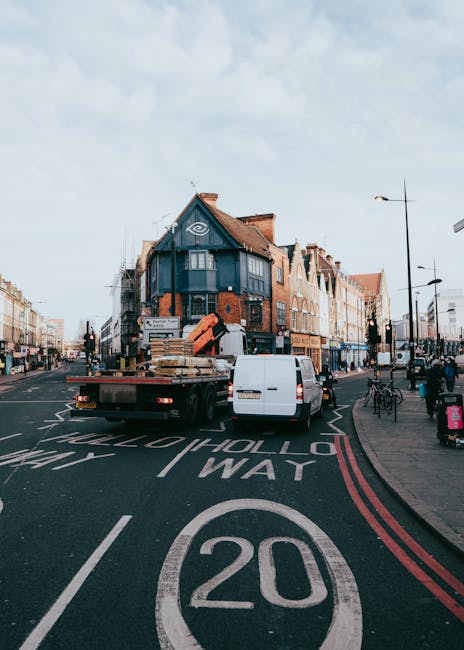
Camden Council loading rules for Swiss Cottage removals: what you need to know before moving day
If you are planning a move in Swiss Cottage, the last thing you want is a van sitting awkwardly in the wrong place while everyone stands around waiting. That is exactly why Camden Council loading rules for Swiss Cottage removals matter. They shape where a vehicle can stop, how long it can stay, and what happens if a bay, yellow line, or permit-controlled space is used incorrectly. A small mistake can turn a simple collection into a stressful delay.
In practice, the rules affect everything from the size of the vehicle you book to the time you choose, the street outside your flat, and whether your moving team can load quickly or has to keep circling the block. This guide breaks it down in plain English, with a local, real-world view. You will find the key points, common pitfalls, and a practical way to plan a smoother move without overcomplicating things. Truth be told, that is what most people need on moving day.
Table of Contents
- Why Camden Council loading rules for Swiss Cottage removals Matters
- How Camden Council loading rules for Swiss Cottage removals Works
- Key Benefits and Practical Advantages
- Who This Is For and When It Makes Sense
- Step-by-Step Guidance
- Expert Tips for Better Results
- Common Mistakes to Avoid
- Tools, Resources and Recommendations
- Law, Compliance, Standards, or Best Practice
- Options, Methods, or Comparison Table
- Case Study or Real-World Example
- Practical Checklist
- Conclusion
- Frequently Asked Questions
Why Camden Council loading rules for Swiss Cottage removals Matters
Loading rules are not just admin. They are what decides whether your move starts smoothly or gets bogged down before the first box is inside the van. In Swiss Cottage, that matters even more because local streets can be busy, narrow, and tightly managed. A loading bay may be shared, a yellow line may look tempting for "just five minutes," and a residential road can suddenly feel like a very poor place to park a removal vehicle.
The real problem is that removals are time-sensitive. If a sofa is halfway out of a third-floor flat and the van cannot stop legally nearby, everything slows down. Someone has to carry furniture further. The crew gets tired faster. Tensions rise. It is never dramatic at first, but you can feel the whole day slipping. A good move in Swiss Cottage is one where the vehicle access plan is sorted before the kettle is packed.
There is also the risk of penalties or complaints if the vehicle blocks access, parks where it should not, or overstays a loading period. Even when enforcement does not happen, you can still lose valuable time. That is why the rules matter for both household moves and small commercial moves. They are part compliance, part logistics, part common sense.
Expert summary: For a Swiss Cottage move, the best outcome usually comes from matching the vehicle, the timing, and the street access to what Camden allows in that specific spot. That sounds obvious, but it is where most avoidable problems begin.
How Camden Council loading rules for Swiss Cottage removals Works
At a practical level, Camden's loading rules control how vehicles may stop for the purpose of loading or unloading. In most moving situations, you are not looking for long-term parking. You are looking for a lawful, short-stay position as close as possible to the property. The exact rules depend on the road markings, local restrictions, and whether the vehicle is actively loading.
That phrase "actively loading" is important. It generally means there is a genuine moving activity taking place, not just a parked van waiting around with the engine off. If the crew is carrying items between the property and vehicle, the stop may be considered loading rather than parking. But it still has to fit the relevant restriction. You cannot assume any stopped van automatically qualifies. Camden, like most London boroughs, will expect the vehicle to be used in a way that matches the restriction in place.
Swiss Cottage has a mix of residential streets, main-road traffic, busier junctions, and spaces where loading is more straightforward in some hours than others. A vehicle may be able to stop briefly in one place but not in another. This is why professional removals teams often do a quick access check before the move, especially if bulky items, long carries, or tight stairwells are involved.
In real life, the process often looks like this: the van arrives, the crew positions it as close as legally possible, items are moved efficiently, and the driver stays aware of any restrictions or time limits. If there is no legal loading option directly outside, the team may need to use a nearby bay or alternative position and carry items a little further. Not ideal, but manageable if planned in advance.
If you are arranging a home move, it helps to think about the whole route, not just the front door. Stair width, lift access, road width, and whether the street allows a larger vehicle all affect the plan. For people moving a small flat, a man and van service can sometimes be the most practical fit. For bigger households, a larger vehicle or a more structured team from house removals may make better sense.
Key Benefits and Practical Advantages
Following the loading rules properly is not about being overcautious. It gives you a better move, full stop. When access is planned well, the team works faster, the walk from the property to the van is shorter, and the whole day feels less frantic. That calm matters when you are staring at an unpacked kitchen and thinking, where on earth did all this stuff come from?
- Less wasted time: a legal loading point keeps the moving rhythm steady.
- Lower stress: nobody likes a last-minute scramble for a different parking spot.
- Better protection for belongings: shorter carries often mean fewer bumps and less handling.
- Smoother communication: everyone knows where the van will be and for how long.
- Reduced risk of penalties: a proper plan avoids unnecessary enforcement issues.
- More predictable costs: when access is clear, quotes and timing are easier to manage.
There is another advantage people sometimes miss: good loading access can influence the size of service you need. If the street is awkward, a small vehicle and an experienced mover may be better than a bigger van that cannot sensibly stop. In some cases, a company offering flexible man with van support or broader removal services can adapt better than a rigid one-size-fits-all arrangement.
Who This Is For and When It Makes Sense
This topic is for anyone moving in or out of Swiss Cottage where the vehicle needs to load from the street, a shared driveway, or a tight access point. That includes flat moves, house moves, student moves, office changes, furniture pick-ups, and even small business relocations.
It matters especially if you are:
- moving from a flat with no private driveway;
- using a van on a street with yellow lines or loading bays;
- moving during busy daytime hours;
- handling large furniture or fragile items;
- trying to keep the move low-cost and efficient;
- booked in with neighbours, landlords, or building managers who expect a tidy operation.
It also makes sense if you are comparing different kinds of help. A simple one-person job may suit man with van support. A bigger family move may need movers with more hands on deck. And if you are moving business equipment or stock, you may want to look at commercial moves because timing and access become even more important.
To be fair, a lot of people only think about loading rules after booking the van. That is normal. But the earlier you check access, the less likely you are to get caught out by a road layout that looks fine on paper and turns out to be awkward in person.
Step-by-Step Guidance
If you want the move to stay calm, this is the simplest way to approach it.
- Check the exact street position. Look at where the property sits on the road, whether there is a loading bay, and how close the vehicle can reasonably get.
- Identify the likely restriction type. Is it a bay, single yellow line, double yellow line, or something more limited? Do not guess if you can avoid it.
- Estimate how long loading will take. A one-bedroom flat with lift access is different from a top-floor Victorian conversion with a narrow stairwell. Very different.
- Match the vehicle to the job. Smaller streets often suit smaller vans; larger jobs may need a bigger vehicle, but only if the road can take it.
- Plan the load order. Put heavy and awkward items near the back or first out, depending on the access point. Saves a lot of faffing about.
- Build in a buffer. London traffic, double parking, and stair delays are not rare surprises. They are practically part of the backdrop.
- Communicate with the moving team. Tell them about lifts, intercoms, gated entrances, and any time windows that matter.
- Prepare the property. Boxes labelled, pathways clear, and parking assumptions checked before the van arrives.
If you are hiring equipment or a vehicle, make sure it suits the access reality. A larger moving van can be useful, but only when the street and loading point work for it. If you are unsure, the safer option is often to go slightly smaller and more manoeuvrable.
Expert Tips for Better Results
Here is where the small gains come from. They are the difference between "that went fine" and "that was oddly easy."
- Arrive early, not just on time. In Swiss Cottage, finding a sensible stopping point can take a few minutes. That is not failure; it is normal.
- Keep the loading zone clear. If residents or visitors are likely to use the space, have a plan for the first drop-off.
- Use labelled boxes. It sounds basic, but clearly labelled items reduce carry time and reduce mistakes inside the building.
- Protect the route. Door frames, communal hallways, and stair rails take the hit otherwise.
- Keep the heaviest items closest. It reduces the number of long carries from street to property.
- Have one person in charge of the access call. Too many voices on moving day, and decisions get messy fast.
A useful habit is to think like a driver for a minute. Where would you stop safely? Where could the ramp come out? Where would pedestrians still have enough room to pass? If you can answer those questions before the move, you are already ahead.
We have found that customers who do a quick front-door walk-through the day before usually have a much easier morning. Ten minutes can save an hour. Easy trade.
Common Mistakes to Avoid
Most loading problems come from predictable assumptions. The first is assuming "just a few minutes" makes a stop okay. Not always. Short duration does not automatically equal compliance. The second is assuming the van can stop anywhere because the move is temporary. Again, not how it works in practice.
- Ignoring signs and road markings: they matter even when the street looks quiet.
- Booking the wrong vehicle size: too large can create access issues; too small can create multiple trips.
- Underestimating carry distance: what looks like a quick unload may turn into a long shuttle from the nearest legal stop.
- Forgetting building restrictions: some blocks have service entry rules, concierge timings, or lift booking slots.
- Leaving access checks until moving day: that is when stress is highest and options are lowest.
Another sneaky one: not telling the movers about bulky items such as wardrobes, American-style fridges, or awkward corner sofas. Those are the pieces that turn a straightforward loading plan into a small puzzle. Not impossible. Just more work than expected.
Tools, Resources and Recommendations
You do not need fancy gear, but a few practical tools make the job easier. A tape measure helps with doorways and stair turns. A simple floor plan or photo of the street helps the moving team understand what they are walking into. If the building has a concierge or management office, ask about access times early rather than later. Later is rarely better.
For the move itself, choose support that matches the scale of the job. A single-item collection, student flat move, or quick local transfer may work well with man and van removals. If you need packing help as well, packing and unpacking services can save time and reduce breakages. And for larger or more complex jobs, a broader removal company may be the more sensible route.
It is also worth keeping the paperwork side tidy. Read the terms and conditions before confirming the job, and check the insurance and safety information so you know how goods are handled. If you care about waste disposal and reuse, the company's recycling and sustainability approach can be a useful extra signal.
Law, Compliance, Standards, or Best Practice
When people talk about loading rules, they are usually mixing together a few different things: traffic restrictions, local parking controls, road safety, and the practical expectation that loading should happen without creating danger or obstruction. The exact legal position can vary by location and street type, so it is wise to treat Camden's signs, bay markings, and local restrictions as the first thing to follow.
In UK moving practice, best practice usually means:
- using a lawful loading position where available;
- keeping the vehicle attended where required;
- loading and unloading without unnecessary delay;
- not blocking footways, entrances, or emergency access;
- making sure the vehicle is suitable for the access route;
- respecting any building-specific rules as well as street-level restrictions.
If you are arranging business premises or a mixed-use move, the standards rise a little. Professionalism shows up in the details: communication, timing, safe handling, and not making the pavement feel like a storage yard. Simple, really, but it makes a noticeable difference.
For peace of mind, it helps to work with a team that takes compliance seriously rather than treating it as a side issue. That attitude is usually obvious from the first conversation, and honestly, you can feel it on the day. Calm crew, tidy setup, fewer surprises.
Options, Methods, or Comparison Table
Different loading approaches can work depending on the street and the size of the move. Here is a simple comparison to help you think it through.
| Approach | Best for | Pros | Trade-offs |
|---|---|---|---|
| Direct street loading | Short, simple moves with clear legal stopping space | Fastest and least tiring | Depends on access and local restriction |
| Nearby bay or designated loading point | Streets with tighter controls | Usually more compliant and predictable | May add carry distance |
| Smaller vehicle and more trips | Limited access roads or tight turns | Easier to position and manoeuvre | Can take longer overall |
| Full-service removals team | Busy, larger, or more fragile moves | More hands, better coordination | Typically more involved to organise |
There is no single "best" method. The best option is the one that fits the street, the property, and the amount of stuff you actually own. Which, let's face it, is often more than we think until moving day arrives.
Case Study or Real-World Example
Imagine a one-bedroom flat in Swiss Cottage with a narrow stairwell and no private parking. The client wants to move on a weekday morning, and the street is already active with local traffic and delivery vehicles. On paper, a big van sounds efficient. In reality, it may be awkward to stop and harder to manoeuvre safely.
A better plan is often to use a smaller vehicle, arrive with the first wave of boxes already sorted, and load in a clear sequence: fragile boxes, soft items, then heavier furniture. The driver keeps the van close enough to reduce carrying time, but only in a lawful position. The moving team has one person guiding the route from flat to van, so no one wanders off carrying the wrong thing at the wrong time. Sounds simple. It is. That is why it works.
Now compare that with a small office relocation. The access may require more coordination, a tighter time window, and a better understanding of shared building rules. In that case, using support from office relocation services can reduce the risk of delays and keep staff out of the way while the load-out happens. Different job, different rhythm.
Practical Checklist
Use this before the van arrives. It will save you from the "oh no, we forgot that bit" moment.
- Confirm the exact collection address and street position.
- Check whether loading can happen directly outside.
- Look for any loading bay, yellow line, or timed restriction.
- Tell the mover about stairs, lifts, and access codes.
- Measure large items and note anything unusually heavy.
- Keep hallways, entrances, and exits clear.
- Label boxes by room and fragility.
- Prepare keys, building contact details, and any access instructions.
- Allow extra time for traffic or waiting.
- Review the booking details, insurance, and payment terms.
If you are still comparing providers, you may also want to look at pricing and quotes so you understand how access and job size might affect the final figure. Good quotes usually reflect the real move, not a vague guess. That is the difference.
Conclusion
Camden Council loading rules for Swiss Cottage removals are not something to treat as a background detail. They shape the whole move: where the vehicle can stop, how fast the team can work, and how calm the day feels from start to finish. Once you understand the access rules, the rest becomes much easier to organise.
The best moves in Swiss Cottage are rarely the flashiest ones. They are the ones with clear timing, sensible vehicle choice, and a practical understanding of the street outside. A little planning goes a long way, and in a busy part of London, that planning pays off quickly.
If you want the move to feel more manageable, take the time to check access early, keep your loading plan simple, and work with a team that understands local conditions. It really does make a difference. And on moving day, that quiet bit of preparation is often what saves the day.
Get a free quote today and see how much you can save.
Frequently Asked Questions
What are Camden Council loading rules for Swiss Cottage removals?
They are the local restrictions that affect how a moving vehicle can stop to load or unload in Swiss Cottage. The exact rules depend on road markings, time limits, and whether the stop counts as active loading.
Can a removal van stop on yellow lines in Swiss Cottage?
Sometimes loading may be possible on certain restrictions, but it depends on the exact road, signage, and whether the activity meets the loading conditions. Never assume a short stop is automatically allowed.
Do I need to book a loading bay in advance?
Not always, but it is worth checking access early. In some streets, loading space is limited and timing matters. Planning ahead avoids awkward last-minute changes.
How long can a van stay while loading?
There is no single universal answer. The permitted time can vary by location and restriction type. The key is that loading should be genuine and completed without unnecessary delay.
What if my building has no parking nearby?
Then the move needs a different access plan. That might mean a smaller van, a nearby legal stopping point, or more carrying time from the vehicle to the property.
Is a small van better than a large van in Swiss Cottage?
Often, yes, if the streets are tight or parking is awkward. A smaller vehicle can be easier to position safely, even if it means a slightly different loading plan.
How do I know if my move counts as active loading?
Active loading means items are genuinely being moved between the property and the vehicle. If the vehicle is simply parked with no loading happening, that is a different situation.
Should I choose a man and van or a full removal team?
It depends on the volume of items, the access route, and how much help you need. Small flats often suit a simpler service, while larger homes or office moves may need a bigger team.
What is the biggest mistake people make with loading rules?
Usually it is leaving access checks until moving day. By then, the options are limited and the pressure is higher, which is never a great combination.
Do loading rules affect the price of removals?
Yes, they can. If access is difficult, the job may take longer or require extra handling. Clear access usually helps keep quotes more accurate and predictable.
Can a removal company help me plan access in Swiss Cottage?
Yes, a good removal company should be able to advise on vehicle size, loading approach, and practical timing. It is one of the most useful parts of the service, honestly.
What should I tell the movers before the job starts?
Tell them about stairs, lifts, parking restrictions, access codes, bulky items, and any time windows that matter. The more they know, the smoother the load will be.
Is it worth checking terms, insurance, and safety information?
Definitely. That helps you understand how the move is handled and what level of protection is in place. It is one of those boring steps that turns out to be very useful.
What happens if the street is too tight for my booked van?
The team may need to adjust the plan, use a different vehicle, or park further away and carry items in. That is why a quick access check before the move is so valuable.